HHBS provides evidence-based Positive Behaviour Support (PBS) for kids, teens and adults across Melbourne, delivered by registered behaviour support practitioners. We offer both at-home and centre-based therapy sessions.
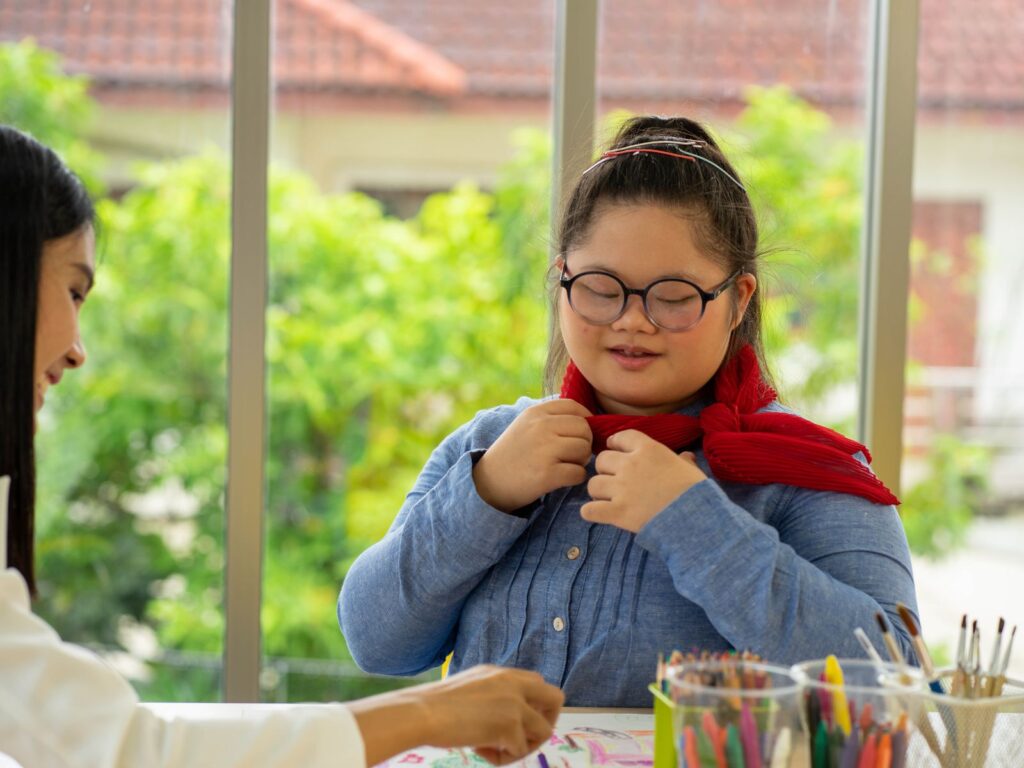

Positive Behaviour Support (PBS) is a person-centred framework that combines behavioural science with values-based practices.
PBS focuses on understanding why a behaviour occurs through functional behaviour assessments. It aims to reduce challenging behaviour by teaching alternative skills, and to improve quality of life, safety and independence by enhancing social, emotional and physical environments.
Unlike traditional behaviour management approaches, PBS prioritises long-term change by identifying the root causes of behaviour and implementing proactive strategies.
At HHBS, we deliver Positive Behaviour Support in line with the NDIS Positive Behaviour Support Capability Framework.
Behaviour is a form of communication. When someone is distressed, withdrawn or behaving in a way that concerns the people around them, there’s usually a reason. Positive Behaviour Support (PBS) is about understanding what’s behind the behaviour and finding ways to make things easier.
Our practitioners take the time to get to know the person such as what they enjoy, what they find difficult, what helps them feel comfortable and what matters to them. We look at what’s happening before, during and after a behaviour to understand what might be contributing to it.
We work with the person, family and the support team to find what might help. That could be changing something at home or in another environment, learning a new skill, or finding another way to communicate what they need.
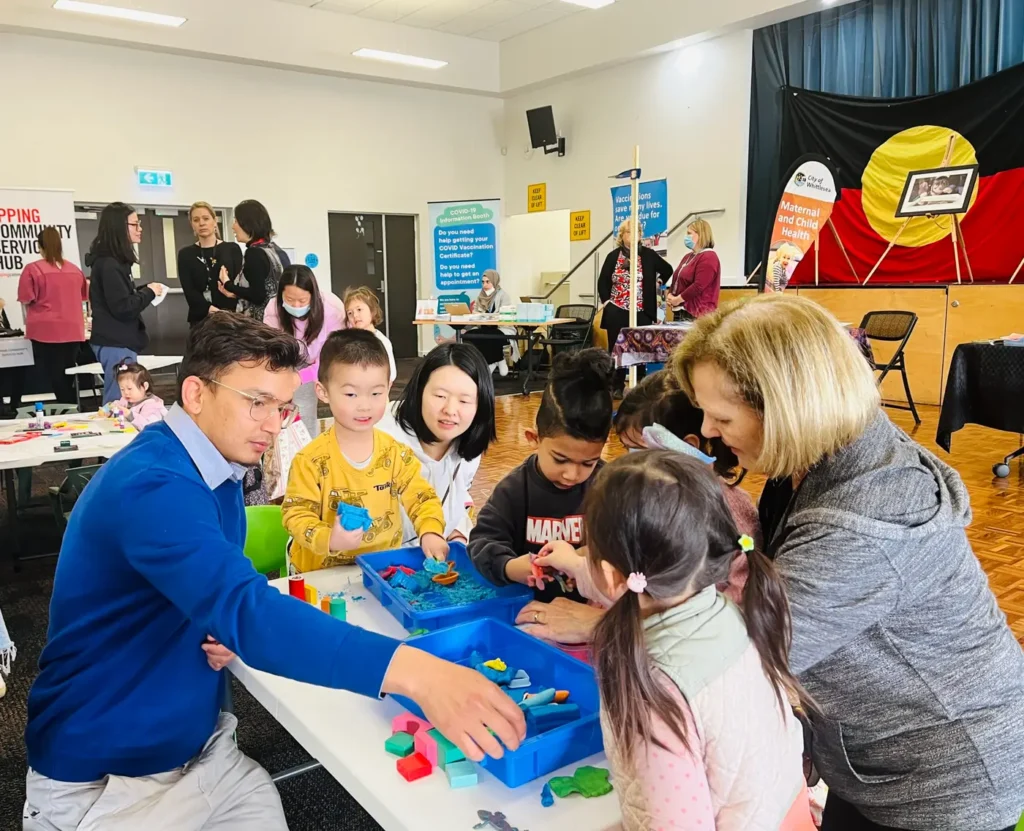

HHBS is a registered NDIS provider delivering Positive Behaviour Support across Melbourne. Our services are tailored to each participant’s goals and challenges.
Our behaviour support practitioners help participants with communication, language, social skills, self-care and, importantly, positive behaviour skills.
Our behaviour support practitioners are qualified and hold current Working with Children Checks and police checks. Each one also brings strong references, extensive experience and a deep commitment to providing exceptional support.
Once we understand what a behaviour is communicating, we build a plan around three areas.
We currently have capacity for new clients with no waitlist.
An HHBS Behaviour Therapist helps individuals improve challenging behaviours using evidence-based strategies such as Applied Behaviour Analysis (ABA) and Positive Behaviour Support (PBS). In Australia, they often work with NDIS participants, children, and adults with developmental disabilities to improve daily functioning and quality of life.
A Behaviour Therapist focuses on direct therapy sessions, while a Behaviour Support Practitioner develops and oversees behaviour support plans under the NDIS. Both roles aim to reduce challenging behaviours, but HHBS practitioners often take a more assessment and planning-based approach.
Positive Behaviour Support (PBS) therapy uses proactive, person-centred strategies to improve behaviour and quality of life. An HHBS PBS Therapist works to understand the reasons behind behaviours and designs supportive, ethical interventions rather than using punishment-based approaches.
ABA Therapy (Applied Behaviour Analysis) is a structured, evidence-based approach that helps individuals learn new skills and reduce challenging behaviours. In Australia, HHBS ABA Therapists commonly support children with autism, as well as adults under the NDIS.
Positive Behaviour Support (PBS) is generally funded under Capacity Building – Improved Relationships. ABA therapy may be funded under Capacity Building – Improved Daily Living, depending on the support being provided and the participant’s NDIS plan.
Our registered Behaviour Support Practitioners can help you understand the support you may need and how it relates to your NDIS goals and funding.