What Is Positive Reinforcement?

Positive reinforcement is a teaching strategy used in Applied Behaviour Analysis (ABA) therapy. It means adding something meaningful or enjoyable after a behaviour, so that behaviour is more likely to happen again. For autistic people and people with developmental delay, positive reinforcement supports the development of communication, social interaction, learning and everyday living skills. It […]
Discrete Trial Training vs Natural Environment Teaching: What Is the Difference
Discrete Trial Training (DTT) and Natural Environment Teaching (NET) are two teaching approaches used in Applied Behaviour Analysis (ABA) therapy. Both help build communication, learning, social and everyday living skills. DTT teaches a skill in small, structured steps, while NET teaches skills through play, everyday activities and the moments that come up naturally during the […]
Social Withdrawal
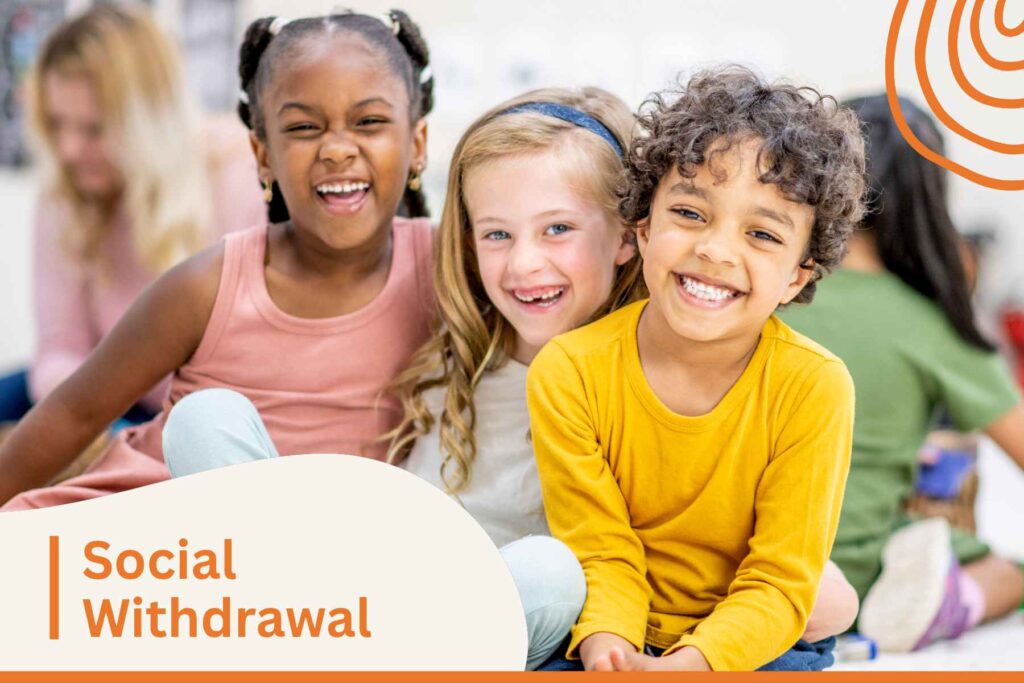
Social withdrawal is a pattern of reduced social interaction, less engagement with other people, or stepping back from activities a person used to enjoy. It can look like spending more time alone, turning down invitations, pulling back from conversations or showing less interest in social activities. Social withdrawal happens in children and adults for many […]
Hitting
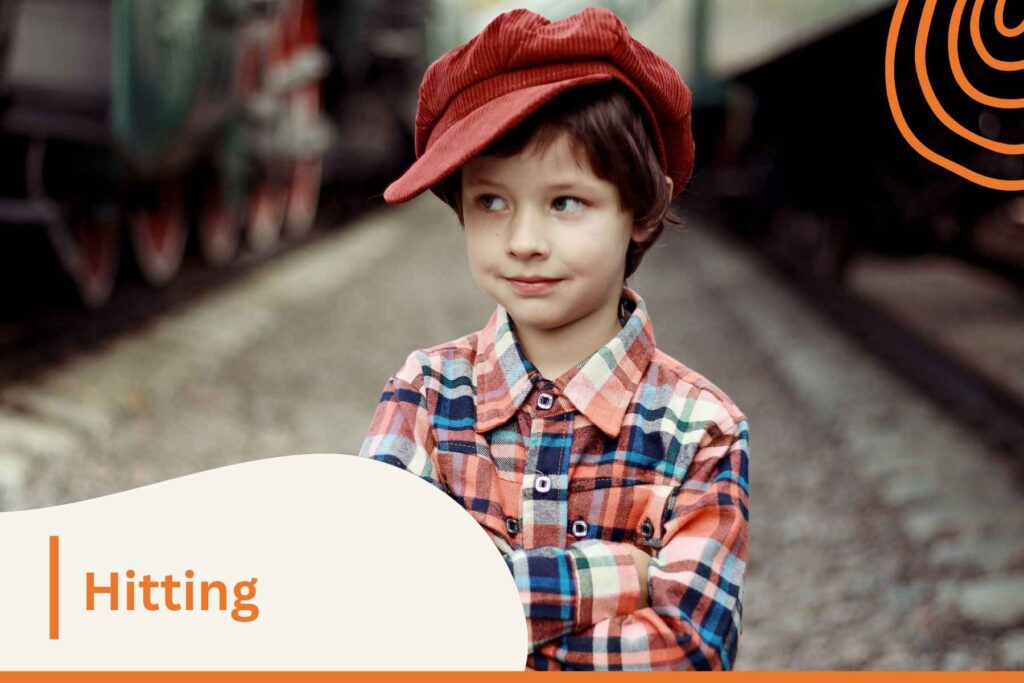
Hitting means striking another person or oneself with an open hand, a closed fist or another part of the body. It can happen in different situations and can vary in how often it happens, how intense it is and the impact it has. For children and adults with disability, hitting is often linked to communication, […]
Attention-Seeking Behaviour
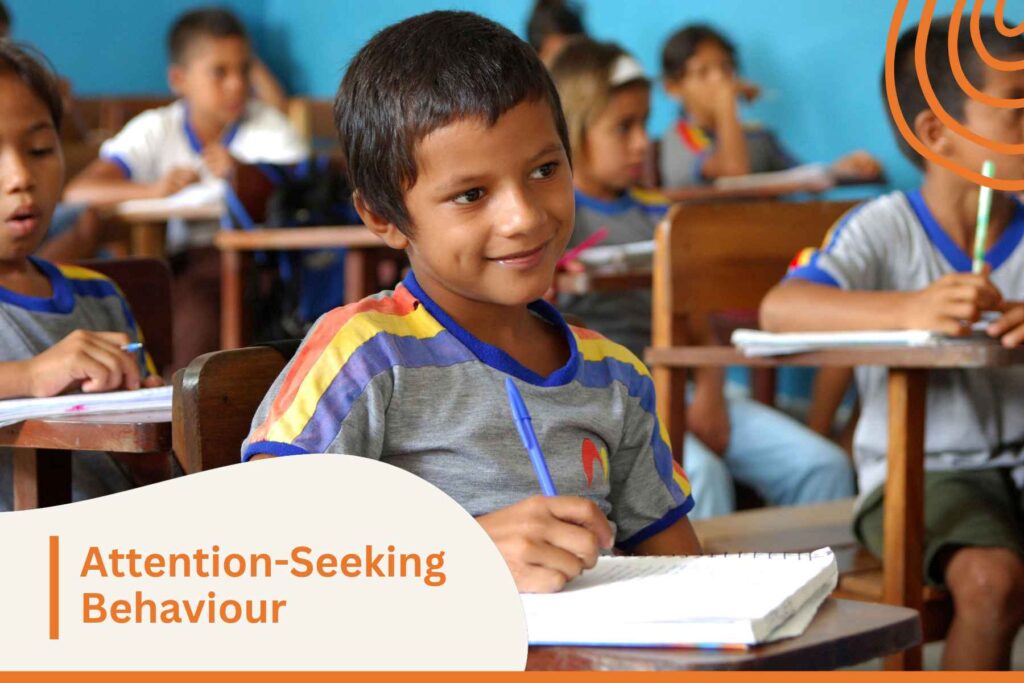
Attention-seeking behaviour describes the ways a person seeks interaction, recognition or a response from others. It can include calling out, interrupting conversations, asking the same question again and again, making noises, or doing things that are sure to get noticed. Seeking attention is a normal and healthy part of human communication. Everyone needs connection, interaction […]
Pica
Pica is the persistent eating of things that aren’t food and have no nutritional value, such as dirt, paper, paint, soap, hair, fabric, stones, chalk or ice. Pica can happen in children and adults. It’s linked with developmental disability, nutritional deficiencies, medical conditions and sensory experiences, and more than one factor is often involved. Depending […]
Meltdowns
A meltdown is an intense response to feeling completely overwhelmed. During a meltdown, a person’s emotions, communication, behaviour and ability to respond to what’s happening around them can all be affected. Meltdowns happen in children and adults with many kinds of disability and support needs. They’re often linked to sensory experiences, communication, emotional distress, changes […]
Property Damage
Property damage is behaviour that breaks, throws, kicks, hits, rips or otherwise damages objects and surroundings. It can involve furniture, household items, doors, windows, walls, personal belongings or other property. Property damage happens in homes, schools, workplaces and shared living settings. How often it happens, how intense it is and the objects involved vary from […]
Absconding
Absconding is when a person leaves a supervised or expected area without telling anyone, sometimes in a way that puts their safety at risk. It’s also called running away, wandering, bolting or elopement. Absconding happens at home, at school or kinder, at day programs, in shared living settings and when out in the community. It […]