HHBS is a registered NDIS provider in Melbourne, specialising in Positive Behaviour Support, ABA therapy, and early childhood intervention. Our therapists travel across Melbourne to provide personalised behaviour therapy that changes lives.
Helping Hands Behaviour Support (HHBS) is a registered NDIS provider based in Melbourne, Victoria, supporting participants and their families since 2022.
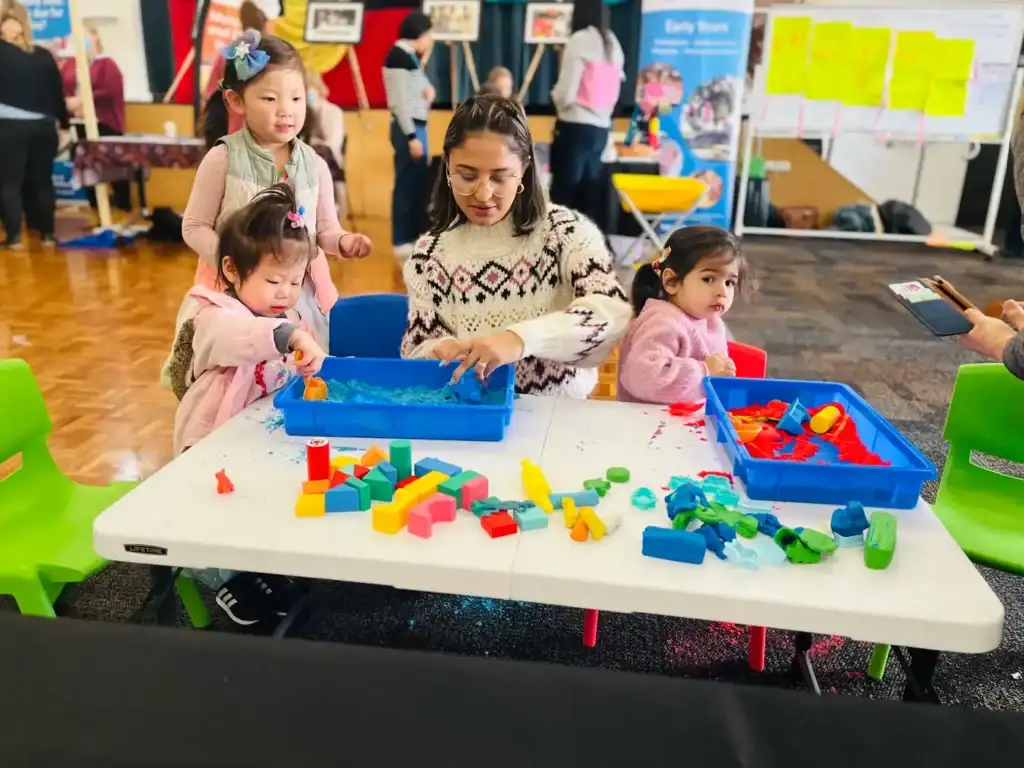
At HHBS, we provide at-home and in-clinic behaviour support and therapy for children, teenagers and adults. Our practitioners and therapists personalise support for every participant we work with, building each plan around that person’s goals, routines and daily life.
We are known for our commitment to person-centred practice, our qualified staff and our focus on reducing restrictive practices. We take a holistic approach to care and support, looking at communication, health, environment and relationships rather than at the behaviour on its own.
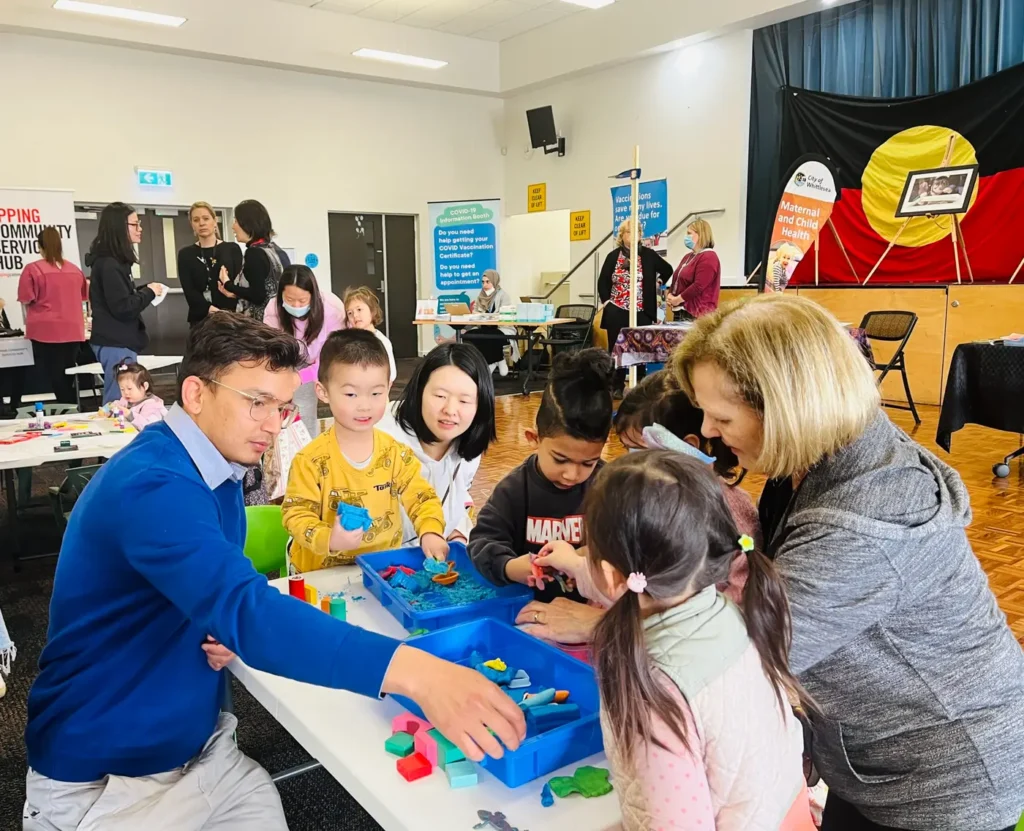
We also work collaboratively with the people we support and the teams around them, including families, carers, schools and support workers, so the strategies in a plan are practical and everyone is doing the same thing.



Begin your therapy session whenever you're ready. With us, you don't have to wait 6 months to start your therapy session. Most of our clients start therapy sessions within 2 weeks.
We offer both at-centre and at-home therapy services. If you live within a convenient travel distance from Bundoora, you can come to our centre. Otherwise, we come to you.
We're a fully registered NDIS provider committed to delivering high quality care and support. Our therapists and are friendly and highly experienced.
Our experienced therapists hold current Police Checks and Working with Children Check and have years of experience supporting people with ASD, ADHD, and other developmental conditions.
We support clients with a range of diagnoses and support needs.
Every autistic person is different. What works well for one person may not work for another.
We take the time to understand your child’s strengths, needs and interests. Together, we can work on the skills that are important to them and your family, whether that’s communication, social skills, managing sensory needs or getting through everyday routines.
ADHD can affect focus, organisation, impulse control and emotional regulation. It can also make everyday routines harder to manage, from getting out the door in the morning to finishing homework or settling at bedtime.
We focus on what works for the person, rather than trying to make them fit a particular way of doing things. That starts with understanding where things fall apart and why, which is usually less about effort and more about how a task is set up. From there, we look at what can change around the person and which skills are worth practising.

Children with Global Developmental Delay may need extra time and support to develop skills. This can include communication, movement, play and everyday activities. A delay describes where your child is now, not a limit on what they can learn.
We work with your child at their own pace and focus on the skills that are important to them and your family. We start with what your child can already do, then build from there in small steps. Most of this happens where your child already spends time, at home, at kinder or at childcare.

Behaviour can be a way of communicating. A person may be telling us that they are overwhelmed, uncomfortable or frustrated, or that they need something they cannot put into words.
We support children, teenagers and adults who show behaviours of concern, including aggression, self-injury and meltdowns.
We look at what is happening around the behaviour to understand what the person may need. From there, we work with the person, their family and support team to find safer ways to communicate and take part in everyday life.

Give us a call or fill out our enquiry form, and we’ll confirm a few details including NDIS funding, your preferred session locations, times, and availability in your area.
We conduct the first two initial assessment sessions with parents or caregivers to identify individual goals, daily routines, and behaviour of concern. We then create a treatment plan.
Our therapists come to your home or school at scheduled times to conduct 1:1 therapy sessions with your loved one using evidence-based strategies.