Verbal Aggression
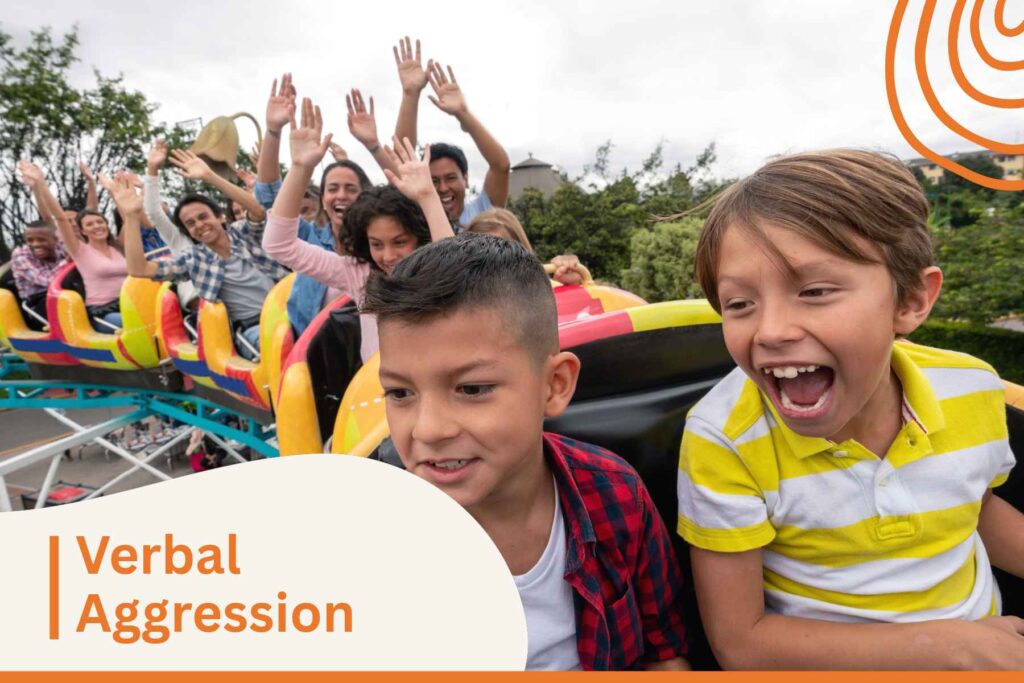
Verbal aggression refers to verbal behaviours that may cause distress, intimidation or harm to another person. It can include shouting, swearing, name-calling, insults, threats and repeated hostile language. Verbal aggression can occur in different settings, including homes, schools, workplaces and community environments. It may be directed towards family members, support workers, peers or other people. […]
Self-Injurious Behaviour
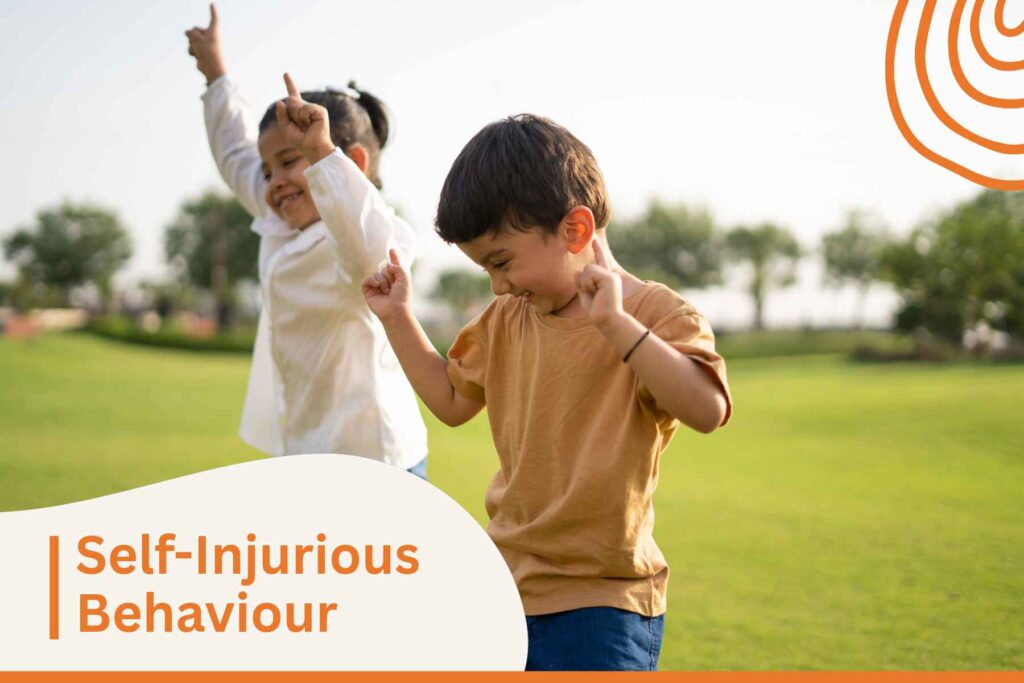
Self-injurious behaviour is any action that causes, or could cause, physical injury to a person’s own body. It often involves repeated movements or actions that lead to bruising, cuts, wounds or other harm. Self-injurious behaviour happens in children and adults with many kinds of disability and support needs. It can include head banging, self-hitting, biting, […]
Defiant Behaviour
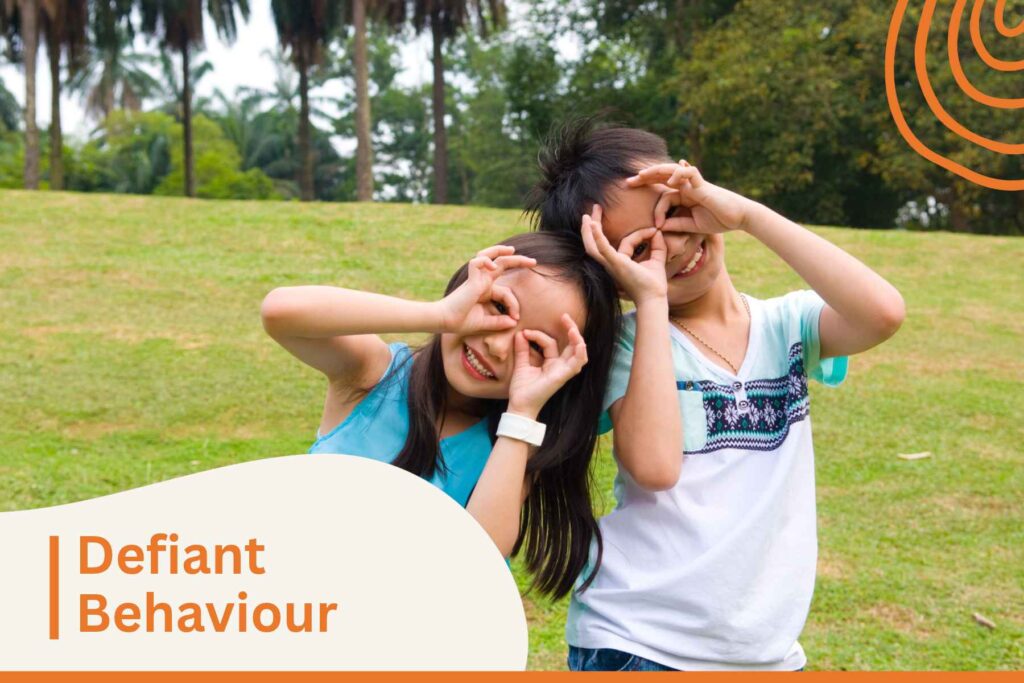
Defiant behaviour is resisting, refusing or challenging instructions, requests, expectations or boundaries. It includes saying no, arguing, refusing to join in, not following instructions and repeatedly pushing back on requests. Defiant behaviour is most often talked about in children and teenagers, but similar patterns happen in adults with different support needs. It shows up at […]
Physical aggression towards others
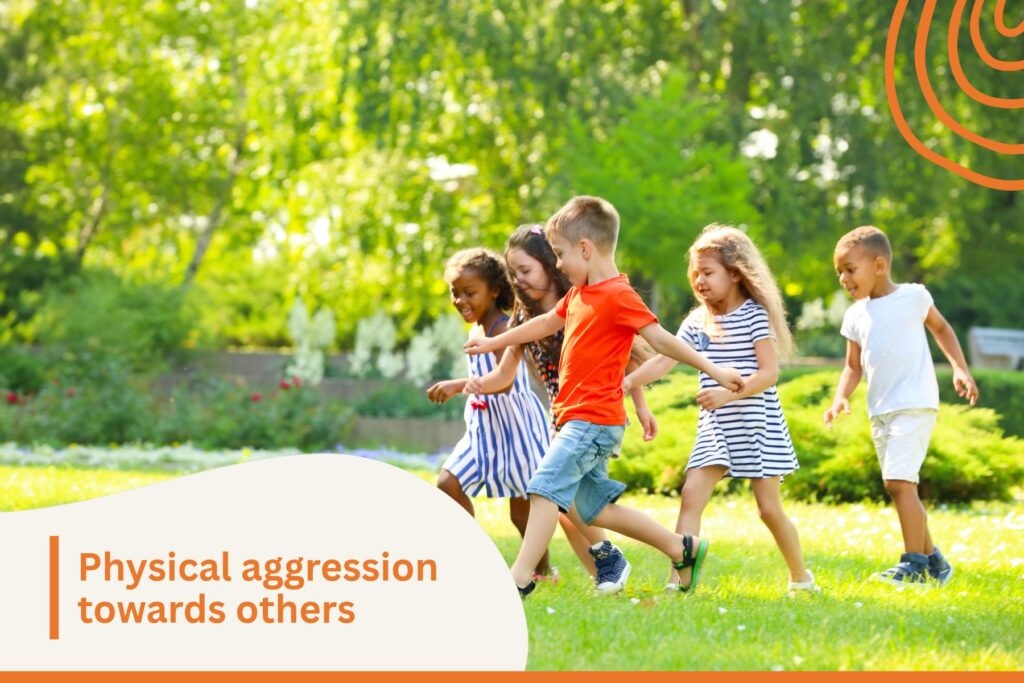
Physical aggression towards others is behaviour that uses physical force against another person. It includes hitting, kicking, biting, scratching, pinching, pushing, grabbing and throwing objects at someone. Physical aggression raises safety concerns and affects relationships, participation and everyday activities. Understanding it means looking at the person’s communication, health, environment, experiences and support needs together, rather […]
Biting
Biting happens at different stages of life and for different reasons. In babies and toddlers, it’s often part of early development, a way to explore, respond to discomfort or show feelings they can’t yet put into words. For older children and adults, biting is often linked to communication, sensory experiences, pain, emotional distress or the […]
Argumentative Behaviour
Arguing is verbal negotiation. It’s how people test a boundary, look for a different answer, buy time, or say that something feels unreasonable without saying so directly. Most arguing is ordinary, and some of it is healthy. It becomes a behaviour of concern when it’s constant, when it escalates quickly, or when it’s the only […]
Functional Behaviour Assessment: Tools, Examples and Practical Guide

A functional behaviour assessment (FBA) works out why a behaviour happens, using two groups of tools. Indirect tools, such as structured interviews, questionnaires and rating scales, gather what people who know the person have noticed. Direct tools, such as ABC data, scatterplots and observation, record what actually happens. An effective FBA uses both, then checks […]
What is Positive Behaviour Support?
Supporting a person whose behaviour puts them or others at risk can be a complex and emotional process. For many families, support workers and providers across Australia, it can also feel isolating, especially when the usual approaches stop working. This is where Positive Behaviour Support comes into play. Positive Behaviour Support, usually shortened to PBS, […]
What Are the Therapy Options for an Autistic Child?

When a child is diagnosed with autism, one of the first questions families ask is, “What therapy should my child have?” It’s a big question, and the number of options can feel overwhelming. ABA, speech therapy, OT, ESDM, Floortime: the list of names and acronyms can be long. The good news is that most autism […]