
Behaviour therapy helps autistic children learn skills that make daily life easier, like asking for a break, getting through the morning routine or staying safe near roads. Our therapists work one-to-one at home, at kinder or school, or at our centre in Bundoora, and show you and your child’s educators how to use the same strategies.
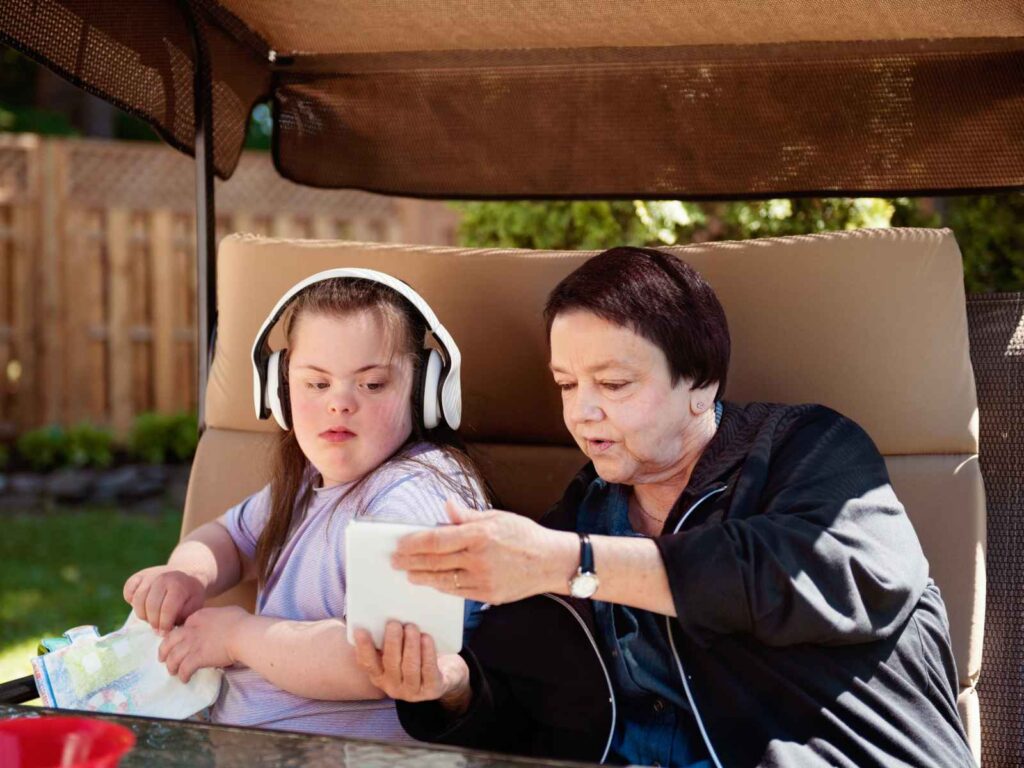
Every behaviour is your child’s way of telling us something. Behaviour therapy helps us understand what that is, then gently teaches them an easier way to say it. A child who hits when the classroom gets loud might simply need the noise to stop. Once we know that, we can help them hand over a break card or reach for their headphones. We’ll also work with their teacher to make the room a calmer place to be.
We’re not here to change who your child is. We’re here to make their days easier: easier to share what they need, easier to handle change and easier to join in with the people they love. Rocking, flapping, lining up toys and the other ways your child finds comfort are part of who they are, and we leave them be unless one is causing harm.

The first two sessions, usually at home. We ask what a good day and a hard day look like, how your child communicates, and what would make the biggest difference. If a behaviour is unsafe, a practitioner also does a functional behaviour assessment.
A plan with a few clear goals Goals you'll know have been reached, like "asks for help with a picture card at least once each morning". If a behaviour support plan is needed, a registered practitioner writes it.
Built around your child's interests and routines: getting dressed, mealtimes, play, the walk to the car. Children learn best when they're calm, so we follow their lead.
We coach you, your child's teachers and support workers, so everyone responds the same way.
We record every session, review each goal with you and change what isn't working. You'll get a progress report for your NDIS review.
Most children have one session a week, and some have one a fortnight, depending on the NDIS budget. Each appointment is 1 hour of therapy plus 30 minutes’ travel. At our Bundoora centre there’s no travel charge. We’ll suggest a schedule after the first two sessions and explain why.
Yes, with the school’s agreement. We can run sessions there, show educators the strategies and attend support group meetings. Many families split sessions between home and school or kinder.
Most children see us once a week, and some once a fortnight, depending on the NDIS budget. Each visit is 1 hour of therapy plus 30 minutes’ travel. If you come to our Bundoora centre, there’s no travel charge. We’ll suggest a schedule after the first two sessions.
Speech pathologists focus on language and communication, and occupational therapists on sensory needs, motor skills and daily tasks. We focus on behaviour: what it’s doing for your child and what to teach instead. Many children see all three, and we’re happy to share plans with your child’s other therapists.
We’ll show you progress from the first weeks, in the data we record each session. The first changes are usually small and specific, like one fewer meltdown at bath time or your child using a break card for the first time.