Behaviour therapy for kids is a structured way of helping children learn new skills and reduce behaviour that’s harmful or makes daily life hard. A therapist works out what’s driving a behaviour, then teaches the child a better way to meet that need, with parents and carers practising the same approach at home.
It’s commonly used with autistic children and children with ADHD or developmental delay. It can also help any child whose meltdowns, aggression or difficulty with routines are affecting family life, kinder or school.
What can behaviour therapy help children with?
Therapy is shaped around the challenges a family finds hardest. Typical areas include:
- Telling others what they want or don’t want, using words, signs, pictures or a device
- Moving from one activity to the next without distress
- Hitting, biting, kicking, throwing objects or running away
- Big emotions, frustration and meltdowns
- Self-care skills such as dressing, toileting, eating and sleep routines
- Playing alongside or with other children
- Following routines and simple instructions in a group
The focus should always be on what will make the biggest difference to the child’s day, rather than a fixed list of targets.
Why do children behave the way they do?
A child’s behaviour usually gets them something or helps them avoid something. A four-year-old who throws food when offered something new might be avoiding a taste or texture that feels wrong. A child who covers their ears and bolts from the supermarket may be getting away from noise and lights that are overwhelming. Therapists call this underlying reason the function of the behaviour, and it’s the starting point for every good plan.
Knowing the function changes the response. Telling a child off for running from the supermarket won’t make the noise easier to bear. Shorter trips at quieter times, headphones and a way to signal “too loud” are far more likely to help.
How does a therapist work out the cause?
The therapist gathers information by watching the child in everyday situations and talking with the people who know them best. They often use an ABC record, which notes three things each time the behaviour occurs.
The antecedent is what happened right before, such as being told it’s time to put shoes on for school. The behaviour is exactly what the child did, for instance lying on the floor and kicking. The consequence is what followed, perhaps the parent putting the shoes on for them, or the family running late. A week or two of these notes usually reveals a clear pattern.
From there, the therapist makes two kinds of changes. The first adjusts the situation so the behaviour is less likely, such as laying out shoes the night before and using a picture checklist for the morning. The second teaches a skill that gets the child what they need, such as asking for help with laces. Praise and small rewards make the new skill worth using, and the old behaviour gradually loses its purpose.
Which approaches are used with children?
Several therapies sit within the behaviour therapy family:
- Applied Behaviour Analysis, which breaks skills into small steps and builds them through practice and reinforcement
- Positive Behaviour Support, which addresses behaviour that risks harm and changes what’s happening around the child
- Early intervention, which builds skills for young children through play and family routines
- Parent coaching, where a therapist guides parents to use strategies themselves
Children who respond well to clear structure and repetition often do well with ABA therapy, particularly for communication and self-care. When a child’s behaviour is putting their safety, schooling or family relationships at risk, Positive Behaviour Support is often more suitable, and it includes a written behaviour support plan for parents, teachers and support workers to follow. Babies, toddlers and preschoolers are usually best served by early childhood intervention, which works on skills inside play and daily family life.
Where does therapy take place?
Children learn best where they’ll use the skill, so many programs are run at home, at kinder or at school rather than in an office. A morning routine can be practised in the child’s own bedroom, and a strategy for sharing toys can be tried with real classmates. With mobile behaviour therapy, the therapist comes to the child, which also saves families the stress of getting a reluctant child to appointments.
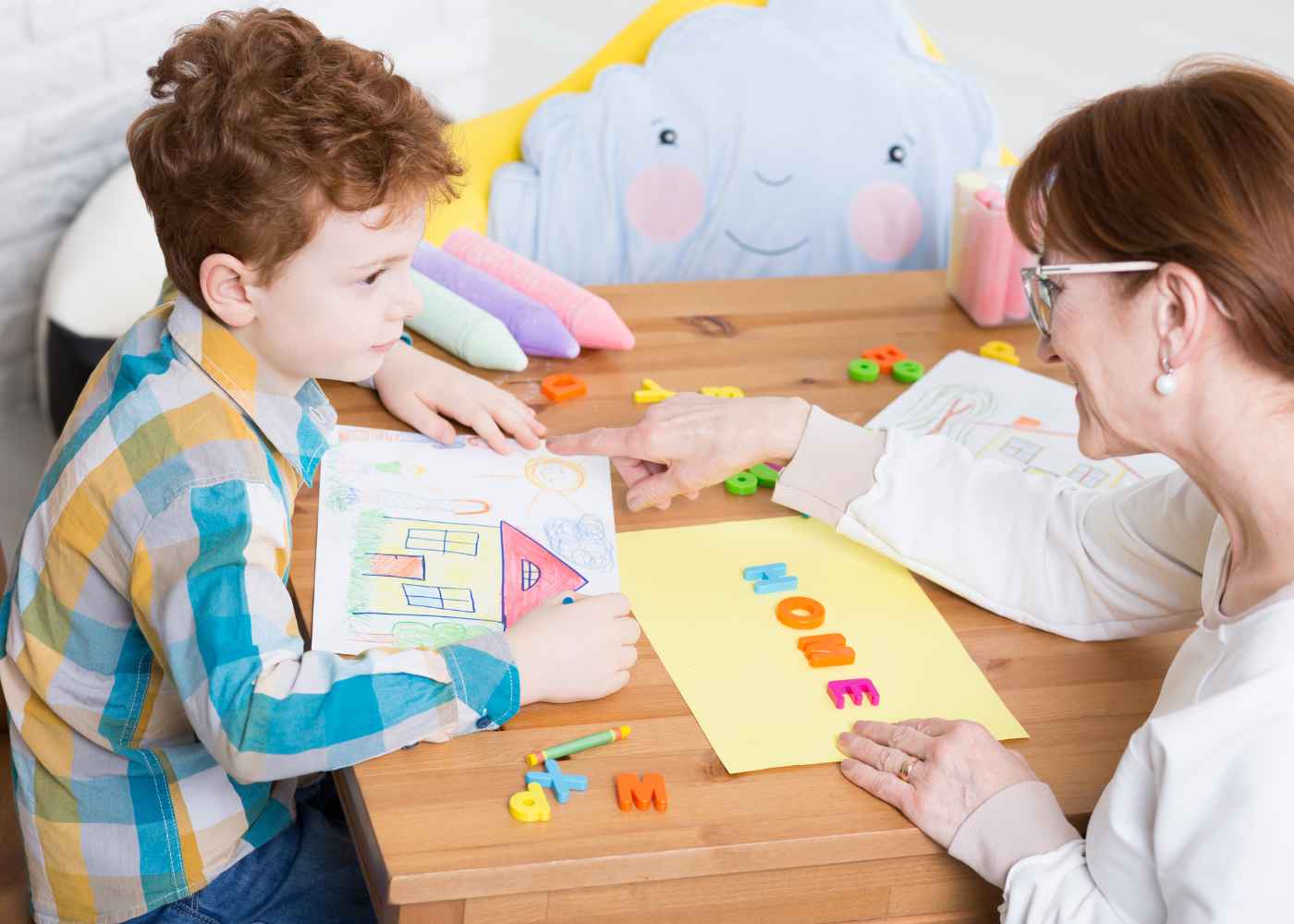
Sessions with young children look a lot like play. A therapist might use a favourite toy, a song or a game of chase to keep the child engaged while practising one or two specific skills. Short, frequent practice tends to work better than long sessions.
What role do parents play?
Parents are partners in therapy, not just observers. The therapist shows them how to use each strategy, watches them try it, and helps them adapt it to their own household. Grandparents, educators and support workers can learn it too, so the child hears the same message wherever they are.
Families also guide what therapy aims for. Australia’s National Guideline for supporting autistic children and their families puts families at the centre of goal setting, which is a useful standard for any child’s therapy.
What does a good program look like?
A good behaviour therapy program builds skills, respects the child and changes as the child changes. It never involves physical or emotional punishment. For autistic children, it accepts natural ways of self-regulating such as stimming, and it doesn’t try to make the child look or act less autistic.
The government-funded Raising Children Network guide to ABA suggests reviewing a program if it relies on stopping behaviour instead of teaching skills, uses the same plan for every child, takes up too much of a child’s week, or leaves the child regularly upset. Parents should feel able to question anything that doesn’t sit right.
When will we see change?
Early progress tends to be small and specific: a few more calm mornings, or a child pointing to a picture instead of screaming. Larger shifts take longer and depend on how consistently the strategies are used across the child’s day. The effectiveness of Positive Behaviour Support, for example, is closely tied to how well everyone around the child follows the plan.
Therapists track progress with simple records, such as how many mornings ended in a meltdown each week. These numbers show when a strategy is working and when it’s time to try something different.
Funding behaviour therapy for children
Children with an NDIS plan usually pay for behaviour therapy from their Capacity Building budget. Which funding line applies depends on the type of therapy. Skill-building programs like ABA are generally claimed from Improved Daily Living, or through the early childhood approach for younger children. Behaviour support that involves a formal plan comes out of Improved Relationships, and the NDIS will only pay for it when the provider is registered with the NDIS Quality and Safeguards Commission.
Under the NDIS early childhood approach, local early childhood partners help families of children under 9 connect with support. A key worker can bring a young child’s therapy together into one coordinated plan.
Families of younger children may also see changes to how support is accessed. Thriving Kids, a program run outside the NDIS, opened on 1 October 2026 for children up to 8 years old who have autism or developmental delay and low to moderate support needs. The NDIS remains the pathway for children whose support needs are high.
The information here explains behaviour therapy in general terms. It isn’t an assessment of your child or advice about any individual NDIS plan.
Getting started with Helping Hands Behaviour Support
Behaviour therapy for children is a big part of what we do at Helping Hands Behaviour Support (HHBS). As an NDIS-registered provider, our team delivers ABA therapy, Positive Behaviour Support and early childhood intervention for children and teenagers, usually in the places their behaviour happens: at home, at kinder and in the classroom. Families can use NDIA-managed, plan-managed or self-managed funding with us.
Whether it’s a morning battle over shoes or a school asking for a behaviour plan, our therapists can work through it with you. Parents and carers of children with NDIS funding can reach us on 0452 423 822 or through our contact page. If you coordinate supports for a child who needs behaviour therapy, we’d welcome a referral through our website.